Modernising a legacy system without stopping the business
Rewriting a critical system from scratch is one of the riskiest projects a business can take on. Incremental replacement is slower to describe and far safer to deliver.
Logistics & Supply Chain
We build the operational software that moves goods: field apps that work without signal, tracking that customers can trust, and integrations that keep partners in step.
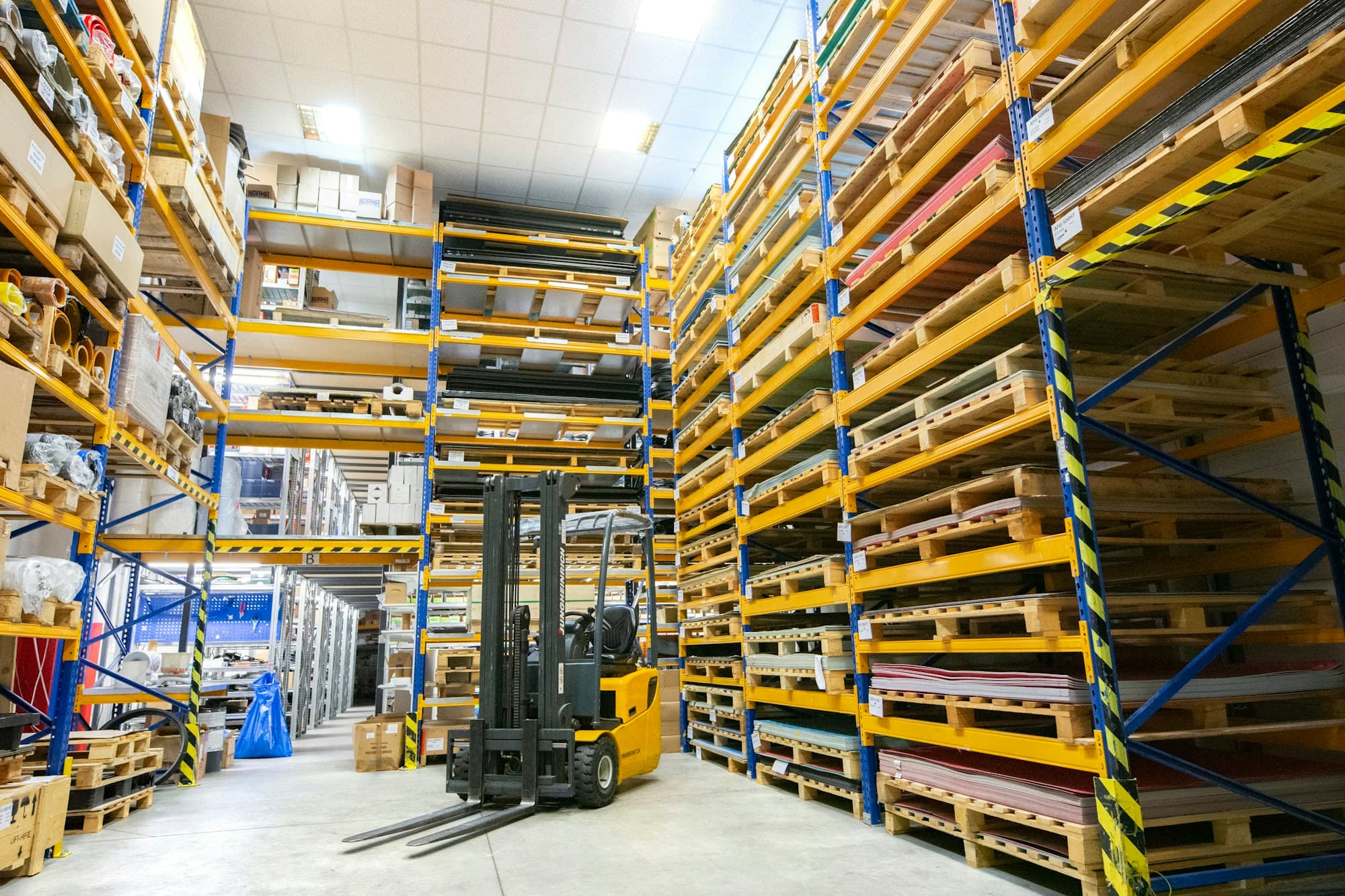
Logistics runs on data exchanged between many parties. A single consignment can touch a shipper, a warehouse, one or more carriers, customs and the end customer, each with its own systems. Much of that exchange still happens through EDI messages, carrier APIs, CSV files and phone calls, and the cost of a missed update shows up as failed deliveries, detention charges and customer service time.
Customers now expect live tracking and accurate delivery windows as standard, and operators need visibility across their fleet and network to plan well. The software that delivers this has to cope with the realities of the job: drivers in areas with no signal, handheld scanners in cold warehouses, and partners whose integrations change without notice.
Delivery confirmations on paper or in messaging apps are slow to reach the office, easy to lose and difficult to use in disputes.
Status is scattered across carrier portals, emails and spreadsheets, so answering a simple customer question takes several people and several systems.
EDI mappings and carrier connections break quietly, leaving orders stuck until someone notices a gap.
Routes, loads and warehouse labour are planned by hand, which works until volumes grow or the person who knows the spreadsheet is away.
We build driver and warehouse apps that store work locally and sync when a connection returns, capturing signatures, photos, scans and timestamps reliably.
We normalise events from carriers, scanners and internal systems into one timeline per shipment, visible to your team and, where appropriate, your customers.
We build EDI and API integrations with validation, retries and alerting, so a failed message is flagged and resolved rather than discovered days later.
We give planners tools that highlight exceptions and constraints, and connect to routing or optimisation services where the problem justifies it.
Job lists, navigation hand-off, barcode scanning, signatures and photos, with offline support and automatic sync to the back office.
Live status, delivery windows and notifications for customers, with self-service rebooking and document downloads.
Goods-in, picking, stock movements and dock scheduling on handheld devices, integrated with your warehouse management system.
A central layer that translates between partner formats, carrier APIs and your internal systems, with monitoring and replay.
We design for intermittent connectivity, handheld scanners and gloved hands, with conflict handling for when two updates arrive after a device reconnects.
We work with established EDI formats and each carrier's own API behaviour, including rate limits, differing status codes and changes announced at short notice.
Driver location is personal data. We design around UK GDPR by limiting collection to working hours, setting retention periods and being clear with drivers about what is tracked and why.
Where goods cross borders, we build the data capture and document generation your customs processes and brokers depend on, so shipments are not held for missing information.
Yes. We build offline-first, so drivers can view jobs, capture signatures, photos and scans with no connection. Data syncs automatically when signal returns, and conflicts are handled rather than silently overwritten.
In most cases, yes, through the system's API, database exports or file-based interfaces. We assess what your current system exposes early on and design around its limits rather than replacing it unnecessarily.
Yes. We build and maintain EDI integrations alongside modern APIs, including mapping, validation, acknowledgements and monitoring, and can put a single integration layer in place so each new partner is quicker to add.
Often, yes. Many rugged Android devices run modern apps well, and we can integrate with their built-in scanners. We test on your actual hardware early to avoid surprises.
Rewriting a critical system from scratch is one of the riskiest projects a business can take on. Incremental replacement is slower to describe and far safer to deliver.
Staff use internal tools for hours every day, often far more than customers use your public product. Designing them well is one of the most direct ways to save time and reduce errors.
Most businesses should buy far more software than they build. The skill is recognising the small number of places where building your own genuinely pays off.
Tell us what you are trying to achieve. The first conversation is about understanding the problem — not selling you a solution.